The idea of a smart home can feel like something from a sci-fi movie. But the reality is more practical and accessible than ever. A true smart home system isn't just a collection of gadgets; it's an integrated ecosystem that enhances your daily life through automation, control, and intelligence.
Let's break down how you can build one that is powerful, reliable, and secure.
In essence, a smart home system is a network of internet-connected devices that you can monitor, control, and automate remotely. Think of it as giving your home a digital nervous system.
The leap from having a few "smart gadgets" to a true "system" is integration. A standalone smart bulb is neat, but a bulb that turns on automatically when your smart lock detects you arriving home, while your smart speaker plays your favorite playlist—that’s a system at work.
The core components include:
Controllers/Hubs: The "brain," like an Amazon Echo, Google Nest Hub, or Apple HomePod, which ties everything together.
Sensors: Devices that gather data, like motion sensors, door/window contacts, and temperature sensors.
Actuators: Devices that perform actions, like smart lights, smart plugs, smart locks, and thermostats.
Communication Protocols: The "languages" devices use to talk, such as Wi-Fi, Bluetooth, Zigbee, Z-Wave, and the new universal standard, Matter.
The benefits are tangible and go beyond simple novelty:
Ultimate Convenience: Control your environment with your voice or a single tap. Dim lights, adjust temperature, or start your robot vacuum without moving.
Enhanced Security: Receive instant alerts for unexpected activity, automate lights to simulate presence when you're away, and monitor your home remotely with smart cameras.
Improved Energy Efficiency: Smart thermostats learn your schedule to optimize heating and cooling, and smart plugs can eliminate "vampire" energy drain, saving you money.
Accessibility: For elderly or disabled individuals, voice control and automation can provide life-changing independence in managing their home.
A robust smart home is built on a solid foundation. Follow these four critical steps to ensure a smooth and frustration-free experience.
Your WiFi network is the highway on which all your smart device data travels. A weak network means slow responses, dropped connections, and constant headaches.
Action Plan:
Invest in a Mesh WiFi System: Traditional single routers often have dead zones. A mesh system (like eero, Google Nest Wifi, or TP-Link Deco) uses multiple nodes to blanket your entire home in a strong, reliable signal, which is essential for devices spread across different rooms.
Check Your Internet Plan: Ensure your broadband plan offers sufficient speed and data capacity, especially if you plan to use multiple HD cameras, which are data-intensive.
A connected home is a potential target. Securing it is not optional. A breach here can threaten your privacy and even your physical security.
Action Plan:
Change Default Passwords: The first thing you should do with any new device is change its default username and password to a strong, unique one.
Create a Separate Guest Network: Place all your smart home devices on a dedicated WiFi network (most modern routers allow this). This isolates them from your main network, where your personal computers, phones, and sensitive data reside, preventing any potential breach.
Enable Encryption and Auto-Updates: Use WPA2/WPA3 encryption on your router and enable automatic firmware updates for both your router and smart devices to patch security vulnerabilities.
The primary interface for setting up and controlling your smart home is your mobile device. Compatibility is key.
Action Plan:
Check OS Requirements: Before purchasing any device, check the app listing on the Apple App Store or Google Play Store to ensure it is compatible with your device's operating system version (e.g., iOS 16 or Android 10 and above).
Consider Ecosystem: If you are heavily invested in the Apple ecosystem (iPhone, iPad, Mac), choosing devices that work with Apple HomeKit will provide a smoother experience. The same logic applies to Android/Google users.
 |
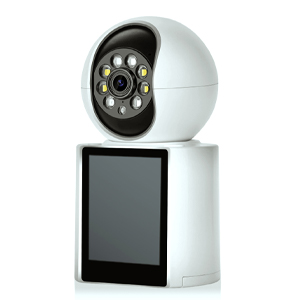
6MP Dual Lens Outdoor Security Camera, WiFi Home Surveillance Camera, 2.4GHz Wireless, PTZ, 355° Pan, 90° Tilt, Human Detection & Auto Tracking, 2-Way Audio, IP66, Night Vision, 24/7 recording |
Avoid buying random gadgets. Start with a clear plan to solve specific problems or enhance specific aspects of your life.
Convenience: A smart speaker and a few smart bulbs.
Security: A smart doorbell or a video camera.
Savings: A smart thermostat.
Building a reliable smart home is a journey, not a weekend project. By focusing on these four pillars—a strong WiFi foundation, rigorous security, device compatibility, and a purposeful product selection—you will create a system that feels like magic, not a chore.
Start by solving one problem, and let your smart home grow naturally from there. The goal is a home that works quietly in the background to make your life simpler, safer, and more efficient.
Your first step? Check your router and think about that one daily annoyance you'd love to automate.
Copyright © 2023 INSEETECH LIMITED. All Rights Reserved.