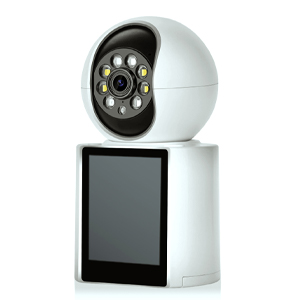
How AI Human Detection Reduces False Alarms in Traditional Security Cameras?
In today’s fast-paced world, security and peace of mind are essential, but traditional security cameras often face limitations. One of the most frustrating issues with these cameras is the frequent occurrence of false alarms. Factors like animals, wind-blown leaves, and even shadows can trigger alerts, leading to unnecessary disturbances and reducing the overall efficiency of security systems. However, with the introduction of AI-powered human detection technology, there is now a more precise and reliable way to monitor environments.
Traditional motion detection cameras operate by sensing any movement within their field of view. This broad approach can be useful for general surveillance, but it often results in a high number of false alarms. For example, a cat crossing the yard or a tree branch swaying in the wind can set off the motion sensor, even though there’s no actual threat. Over time, these false alerts can lead to alert fatigue, where users start ignoring notifications altogether, which defeats the purpose of having a security system.
Moreover, constant false alarms can cause anxiety, disrupt daily routines, and even lead to wasted time as users constantly check their cameras or notifications. In extreme cases, this might also erode trust in the security system itself.
This is where AI-powered human detection comes into play. Unlike traditional cameras that respond to any type of movement, AI-driven systems can be programmed to specifically recognize and differentiate between humans and other moving objects. These systems use advanced algorithms and machine learning to analyze visual data, identifying the unique characteristics of human shapes and movements. This process, known as human detection filtering, allows the camera to “know” when a person is present and when it’s just an animal or some environmental factor causing the movement.
AI human detection works by training the camera to recognize patterns that are unique to human beings. This is achieved through machine learning, where vast amounts of data (images and videos of humans and non-humans) are used to "teach" the security camera what humans look like in various situations. The camera’s software learns to identify certain features, such as the shape of the body, how people move, and even specific postures.
Once trained, the camera’s AI uses these learned patterns to filter out non-human objects or movements. When motion is detected, the AI checks whether it fits the profile of a human. If it does, the camera triggers an alert. If it doesn’t, the system ignores it. This drastically reduces the number of false alarms, ensuring that users are only notified when there’s a legitimate reason to be concerned.
In the modern world, people are busier than ever. Whether managing work, family, or personal life is precious. Constantly receiving false alarms from a security system is not only annoying but can also become overwhelming. Precision in monitoring is essential for reducing these unnecessary distractions.
AI-driven human detection helps by providing users with reliable and accurate notifications. Users can focus on what really matters and not have to worry about every tiny movement captured by the camera, knowing that they will only be alerted if a person is detected. This improved efficiency allows individuals to react more quickly and effectively to genuine threats, enhancing both safety and convenience.
1. Reduced false alarms: The primary benefit is the significant reduction in unnecessary alerts. By filtering out non-human movement, the system ensures that users are only notified when it truly matters.
2. Improved Security: With more accurate alerts, users can respond faster to potential threats. This increases the overall effectiveness of the security system, as real dangers are less likely to be missed or ignored.
3. Enhanced Peace of Mind: Knowing that the system is intelligently monitoring and filtering activity reduces stress and anxiety. Users don’t need to worry about checking every alert, trusting the system to do the hard work for them.
4. Time and Energy Savings: With fewer false alarms, users can save time and mental energy that would otherwise be spent checking unnecessary notifications.
AI-powered human detection is revolutionizing the way we think about security systems. By using advanced algorithms to differentiate between humans and non-human objects, these systems provide more accurate monitoring and reduce the frustrations caused by false alarms. In an era where time is valuable, this technology helps users maintain security and peace of mind without constant interruptions.
As AI continues to evolve, it’s likely that human detection technology will only become more refined and reliable, offering even greater precision and peace of mind for those who rely on security systems in their daily lives.
Copyright © 2023 INSEETECH LIMITED. All Rights Reserved.