Night Vision and Low-Light Technology: How Smart Cameras Deliver Clear, 24/7 Surveillance
In a world where security and peace of mind are paramount, advancements in smart camera technology are making it easier to keep an eye on our homes, families, and businesses—even in complete darkness. With breakthroughs in night vision and low-light enhancement, modern cameras now offer high-quality video surveillance, whether it's midday or midnight. These developments are especially vital for anyone looking to maintain security in environments with variable lighting, providing a constant layer of protection that never sleeps. Let’s explore how these technologies work and why they’re a game-changer for all-weather surveillance.
Smart cameras have come a long way from the grainy, infrared-based footage that marked early security systems. Today’s advancements in night vision and low-light enhancement leverage innovative hardware and software to deliver high-resolution, color-rich images even when light levels are minimal. Two major technologies power this evolution:
1. Infrared (IR) Night Vision: Traditional night vision uses infrared light to illuminate dark spaces. The camera’s sensor detects infrared light, which is invisible to the human eye, and converts it into a black-and-white image. With new generations of IR LEDs, modern cameras can illuminate areas up to 30-50 feet, offering greater detail in complete darkness.
2. Low-light Enhancement with CMOS Sensors: complementing infrared capabilities, low-light enhancement uses sophisticated CMOS (complementary metal-oxide semiconductor) sensors to capture more light. These sensors boost the camera’s sensitivity to ambient light, producing clear images even in dim conditions. Advanced models can deliver color night vision by capturing residual light, offering lifelike footage even when lighting is scarce.
Equipped with these technologies, smart cameras provide a range of benefits that make them indispensable for home and business security.
Whether it’s dusk, dawn, or the middle of the night, smart cameras with night vision and low-light enhancement ensure that footage remains clear and detailed. This continuous clarity helps users avoid blind spots that can compromise security at night, making it easier to detect unexpected motion or intrusions at any time.
Modern low-light cameras maintain high definition and capture finer details, even in low-visibility conditions. This detail retention is crucial for identifying faces, license plates, or other identifying features, offering greater security during late hours.
Thanks to improved sensor technology, color night vision is becoming more common, adding another layer of visual context for nighttime events. Color footage provides a more accurate representation of events, helping users distinguish between potential threats and benign activity, such as a neighbor’s pet or a passing car.
While IR lights used to consume significant power, recent innovations have made LED-powered infrared lights more energy-efficient. This efficiency means that smart cameras can run longer on less power, and cameras built with durable, weather-resistant materials can function under a wide range of conditions without sacrificing quality.
When it comes to home security, night vision, and low-light capabilities go beyond simply seeing in the dark. Here’s how they offer practical protection:
For those looking to invest in a night-vision-equipped smart camera, there are a few features that can make a significant difference:
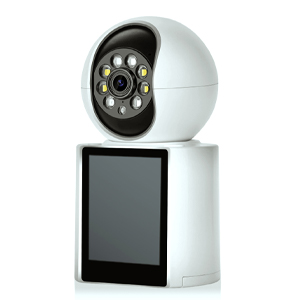
If you want to install security cameras, a WiFi security camera from INSEETECH will be great.
As technology advances, night vision and low-light enhancement will only become more powerful, affordable, and accessible. With the development of AI-enhanced vision and even thermal imaging, the future of surveillance is poised to offer a comprehensive view that adapts to any environment. Whether for a private residence, business, or public space, these cameras are transforming security from passive monitoring to active deterrence, providing peace of mind around the clock.
With the continuous development in low-light enhancement, smart cameras now offer a reliable shield against threats in any light condition. Investing in a camera with these advanced capabilities means you’re not just installing a device but building a safer, more secure environment for you and your loved ones.
Copyright © 2023 INSEETECH LIMITED. All Rights Reserved.