What is CCTV vs security cameras?
In the realm of home security, understanding the differences between CCTV (closed-circuit television) and security cameras is crucial for making informed decisions. Both systems offer unique advantages and are designed to enhance the safety of your home, but they operate differently and serve varied purposes.
CCTV Systems:
CCTV systems are traditional video surveillance systems that transmit video signals from cameras to specific monitors. The footage is typically recorded and stored on a DVR (Digital Video Recorder) or NVR (Network Video Recorder). These systems are often wired and require a closed system, meaning the video footage is not accessible via the internet without additional hardware. CCTV systems are commonly used in commercial settings, such as businesses and public spaces, to provide continuous surveillance.
Security Cameras:
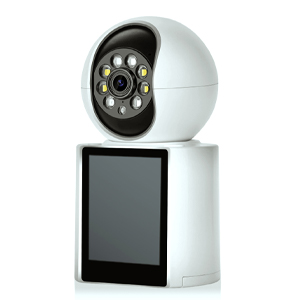
Modern security cameras, often referred to as IP (Internet Protocol) cameras, can be wired or wireless and are designed to transmit video footage over the internet. This allows homeowners to access live or recorded footage remotely using smartphones, tablets, or computers. Security cameras are more versatile and can offer advanced features such as night vision, motion detection, and real-time alerts. They are popular in residential settings due to their ease of installation and accessibility.
Key Features of Security Cameras
1. Night Vision:
Night vision capability is essential for home security cameras, enabling them to capture clear footage in low-light or completely dark environments. Infrared LEDs are commonly used to provide visibility, ensuring that intruders can be detected even at night. Some advanced cameras even offer color night vision, which provides clearer and more detailed images compared to traditional black-and-white night vision.
2. Automatic Tracking:
Some advanced security cameras come equipped with automatic tracking technology, which allows the camera to follow a moving object or person within its field of view. This feature is particularly useful for monitoring large areas and ensuring comprehensive coverage. The camera can pan, tilt, and zoom to keep the subject in focus, providing continuous monitoring without manual intervention.
3. Human or motion detection:
Modern security cameras often include sophisticated algorithms for detecting human shapes or movements. This reduces false alarms caused by non-threatening motion, such as pets or falling leaves, and ensures that alerts are sent only when a potential threat is detected. Additionally, some cameras offer customizable detection zones, allowing users to define specific areas within the camera's field of view for more precise monitoring.
4. Real-Time Alerts:
Timely notifications are critical for effective home security. Security cameras can send real-time alerts to your smartphone or email when motion is detected, allowing you to take immediate action if necessary. These alerts can include snapshots or video clips of the detected activity, providing instant context and enabling quick decision-making.
5. Two-Way Audio:
Many security cameras now come with built-in microphones and speakers, allowing for two-way audio communication. This feature lets homeowners speak directly to visitors or potential intruders through the camera, adding an extra layer of security and convenience.
6. Cloud and local storage:
Security cameras offer various storage options for recorded footage. Cloud storage provides remote access and secure backup of video files, while local storage, such as micro-SD cards or external hard drives, offers more control over data and eliminates recurring subscription fees.
7. Weatherproof Design:
Outdoor security cameras are designed to withstand various weather conditions, with features like waterproof casings and robust construction. This ensures reliable performance even in harsh environments, such as rain, snow, or extreme temperatures.
Application Scenarios
1. Indoor Cameras:
Indoor security cameras are designed to monitor the inside of your home. They can be placed in common areas, entry points, or other vulnerable spots. These cameras are perfect for keeping an eye on children, pets, and overall home activity.For example, INSETECH's 5GHz 4MP WiFi Security Indoor Camera is equipped with AI human detection, motion tracking, night vision, and two-way talk. This camera offers comprehensive indoor surveillance and real-time alerts via the Tuya app.
2. Outdoor Cameras:
Outdoor security cameras are built to withstand various weather conditions and provide surveillance for the exterior of your home. Features like weatherproof casing, night vision, and wide-angle lenses make them ideal for monitoring driveways, gardens, and entrances.As with the INSEETECH 2K 4MP Dual-band Wireless Outdoor Camera, featuring 4MP HD resolution, PTZ control, waterproof design, dual-band WiFi, enhanced night vision, and AI detection, this camera ensures full outdoor coverage and instant alerts through the Tuya app.
Market Trends
The home security camera market is evolving rapidly, driven by technological advancements and increasing demand for enhanced security solutions.
Key trends include:
1. AI and Machine Learning:
The incorporation of AI and machine learning technologies is enabling more accurate detection and alert systems. Cameras can now distinguish between different types of motion and even recognize familiar faces.
2. Wireless and battery-powered cameras:
The shift towards wireless and battery-powered cameras is making installation easier and more flexible. These cameras can be placed virtually anywhere without the need for extensive wiring.
3. Increased Focus on Data Security:
With the rise of connected devices, there is a growing emphasis on data security and privacy. Manufacturers are implementing stronger encryption methods and more secure data storage solutions.
In conclusion, while CCTV systems provide reliable, localized surveillance, modern security cameras offer greater flexibility, advanced features, and remote accessibility, making them an excellent choice for comprehensive home security. By understanding the key differences and keeping abreast of market trends, homeowners can choose the best solution to protect their property and loved ones.
Copyright © 2023 INSEETECH LIMITED. All Rights Reserved.