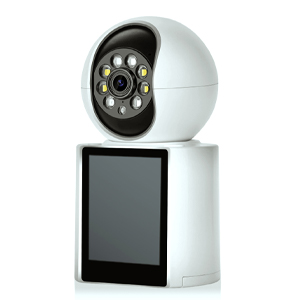
What is the Difference Between a backup camera and a reverse camera?
In the realm of automotive technology, the terms "backup camera" and "reverse camera" are often used interchangeably. However, there are subtle distinctions between these two that are worth noting, especially for vehicle owners seeking to enhance their driving experience. This article delves into the differences and highlights the characteristics and advantages of a backup camera, specifically focusing on the car-mounted wireless variants.
Understanding Backup Cameras and Reverse Cameras
Both backup cameras and reverse cameras serve the primary function of aiding drivers when reversing their vehicles. They provide real-time video feed of the area behind the car, helping to prevent collisions and ensuring safer maneuvers. However, the key difference lies in their usage context and features.
A reverse camera is typically engaged when the vehicle is put into reverse gear. It activates automatically and displays the rear view on the car’s infotainment screen. While this is useful for basic reversing tasks, it can be limited in functionality.
In contrast, a backup camera often includes additional features and can be used in various scenarios beyond mere reversing. Backup cameras can be activated manually, providing a broader range of utility, such as monitoring a trailer or cargo, aiding in hitching operations, and offering a continuous rear view during long drives.
Key Features and Advantages of Backup Cameras
1. Versatility and Utility
Backup cameras, particularly wireless models, offer versatility that reverse cameras typically do not. They can be used for various purposes beyond just reversing. For example, a wireless backup camera can be utilized to monitor a trailer, keep an eye on cargo, or even observe rear traffic conditions. This flexibility makes backup cameras invaluable for drivers who need more comprehensive rear visibility.
2. Ease of Installation
Wireless backup cameras are relatively easy to install compared to their wired counterparts. They eliminate the need for extensive wiring, which can be complex and time-consuming. The installation usually involves mounting the camera and connecting it to the vehicle's power supply, making it accessible even for those with limited technical skills.
3. Enhanced Viewing Capabilities
Modern backup cameras often come with advanced viewing capabilities, such as wide-angle lenses, high-resolution imaging, and night vision. A typical 1080p WiFi magnetic wireless backup camera, for instance, can provide clear and detailed images in various lighting conditions, ensuring that drivers have a reliable view of the area behind their vehicle at all times.
4. Convenience and Portability
Wireless backup cameras are portable and can be transferred between vehicles if needed. This is particularly beneficial for users who own multiple vehicles or those who rent or borrow vehicles frequently. The magnetic mounting options available with some models further enhance this portability, allowing for quick and secure attachment and removal.
5. Integration with Modern Technology
Many wireless backup cameras are equipped with WiFi connectivity, enabling seamless integration with smartphones or other smart devices. This feature allows drivers to view the camera feed directly on their mobile devices, providing additional convenience and flexibility.
Advantages of Reverse Cameras
1. Automatic Activation
Reverse cameras are designed to automatically activate when the vehicle is put into reverse gear. This ensures that the camera is always ready to assist the driver without any manual intervention.
2. Seamless Integration
Reverse cameras are often integrated into the vehicle’s existing infotainment system, providing a seamless and user-friendly experience. The video feed is displayed directly on the car’s screen, which is convenient for quick glances while reversing.
3. Cost-Effective
Many vehicles come with pre-installed reverse cameras as part of the standard package or as an affordable upgrade option. This can be a cost-effective solution for drivers who primarily need assistance with basic reversing tasks.
While both backup cameras and reverse cameras play crucial roles in enhancing vehicle safety and maneuverability, backup cameras offer a range of additional features and advantages that make them a superior choice for many drivers. Their versatility, ease of installation, enhanced viewing capabilities, and integration with modern technology provide a comprehensive solution for improving rear visibility and ensuring safer driving experiences.
Copyright © 2023 INSEETECH LIMITED. All Rights Reserved.